
In recent years, the digital travel landscape has been dominated by AI-generated content and Google’s ad-saturated search results. But is the AI hype already fading? More and more travelers are realizing that AI often delivers generic, overused travel tips and makes a lot of mistakes. Meanwhile, Google’s first page has become an advertising battleground, pushing organic search results to page two or beyond.
As frustration grows, travelers are seeking authentic, human-created content that offer real value. This shift is not just anecdotal; it’s reflected in the data. At Wereldreizigers.nl, we’ve seen a significant increase in direct traffic over the past year – travelers typing our URL directly into their browsers, bypassing both Google and AI. In 2026, personal travel advisor roles are among the fastest-growing jobs in the US, while small travel brands that prioritize service and authenticity are thriving like never before – a clear response to what AI simply can’t deliver: genuine expertise and human connection.
Are people already actively avoiding the AI hype? The data certainly seems to say so.
The problem with AI-generated travel content
1. Generic and uninspired
AI travel tips often feel like a broken record. Whether you’re planning a trip to Oman or Iceland, the advice is usually the same: “Here are five ‘hidden gems’ that everyone already knows about – just repackaged with an AI stamp of originality”.
We are only two years in with AI and travelers are already becoming increasingly tired of platitudes and recycled recommendations. They want unique, personal, and honest insights, something AI still struggles to deliver.
2. Too perfect, too fake
The rise of AI influencers like Emma from Visit Deutschland or Lena from TUI has only amplified the issue. These digital personas are too polished, too perfect, and too generic. Travelers crave authenticity, not scripted perfection. As one traveler put it: “It’s all just too slick. I want real stories from real people.”
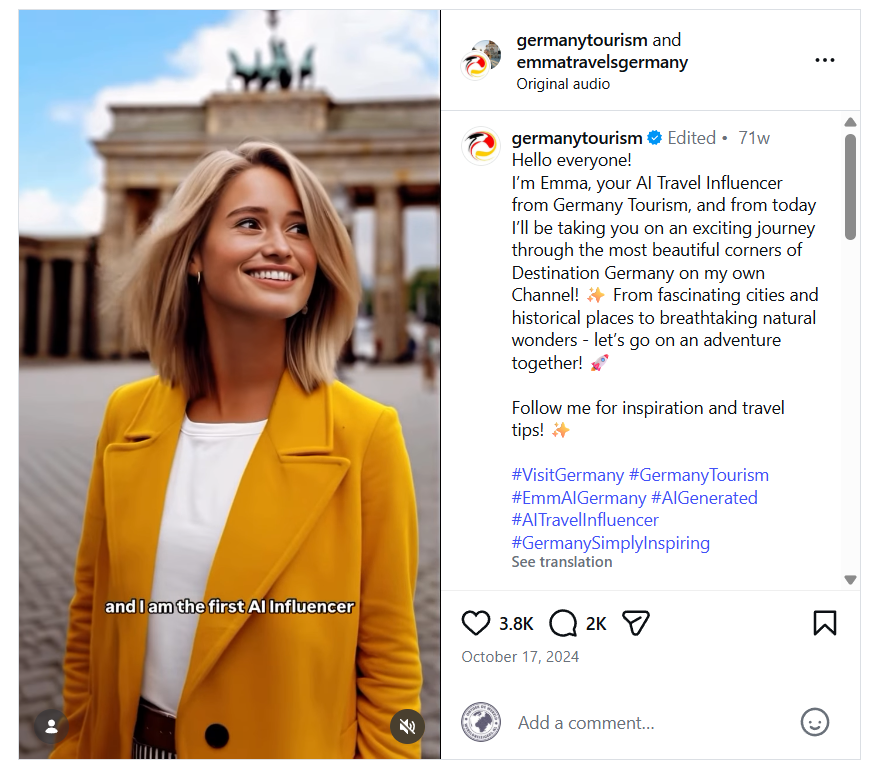
3. A lack of trust: AI travel planning is risky business
Most travelers only have two or three weeks of vacation per year. They expect everything to go smoothly. No surprises, no stress, just a comfortable and enjoyable trip. But here’s the problem: AI is still far too unreliable for something as important as your hard-earned vacation.
When you’re spending thousands of euros on a trip, you don’t want to arrive at a closed restaurant, a nonexistent tourist attraction, or worse – a scam booking site recommended by an AI tool that doesn’t double-check its sources. While a closed restaurant might be a minor inconvenience, automatically generated hotel or transfer bookings through shady websites – targeting unsuspecting AI users – can turn a dream vacation into a nightmare.
If something goes wrong with an AI-generated recommendation, who do you turn to? There’s no customer service, no human to take responsibility, and often no way to get your money back. AI doesn’t verify the legitimacy of businesses, update information in real time, or care about the consequences of its mistakes. For travelers, that’s a risk they simply can’t afford to take.
Bottom line: When it comes to something as precious as your vacation, trust matters. And right now, AI just doesn’t deliver the reliability – or the peace of mind – that many travelers need.
Google’s Ad overload: where did the real results go?
Google’s search engine, once the go-to for unbiased information, has become a pay-to-play platform. The first page is now completely dominated by ads, sponsored content, and AI-generated snippets. Organic results – the ones travelers actually want – are buried on page two or three. Here’s an example for a holiday to Madeira Island – it now shows 100% ads on the first page.
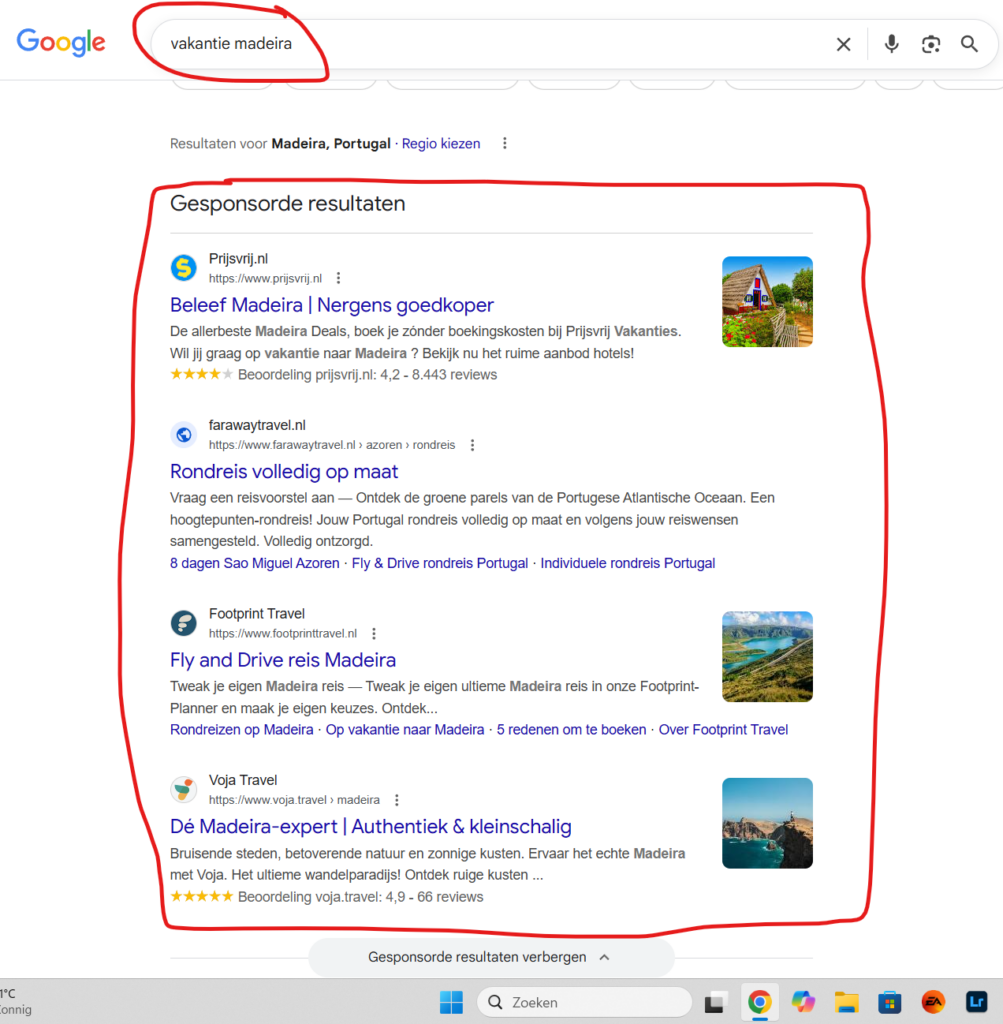
When you scroll down, towards something that could be considered as ‘page two’ of the search results, you will find an AI overview with basic information about Madeira. You are now two pages deep in Google and are yet to explore any relevant, organic or authentic content. All you see now is ads & AI.
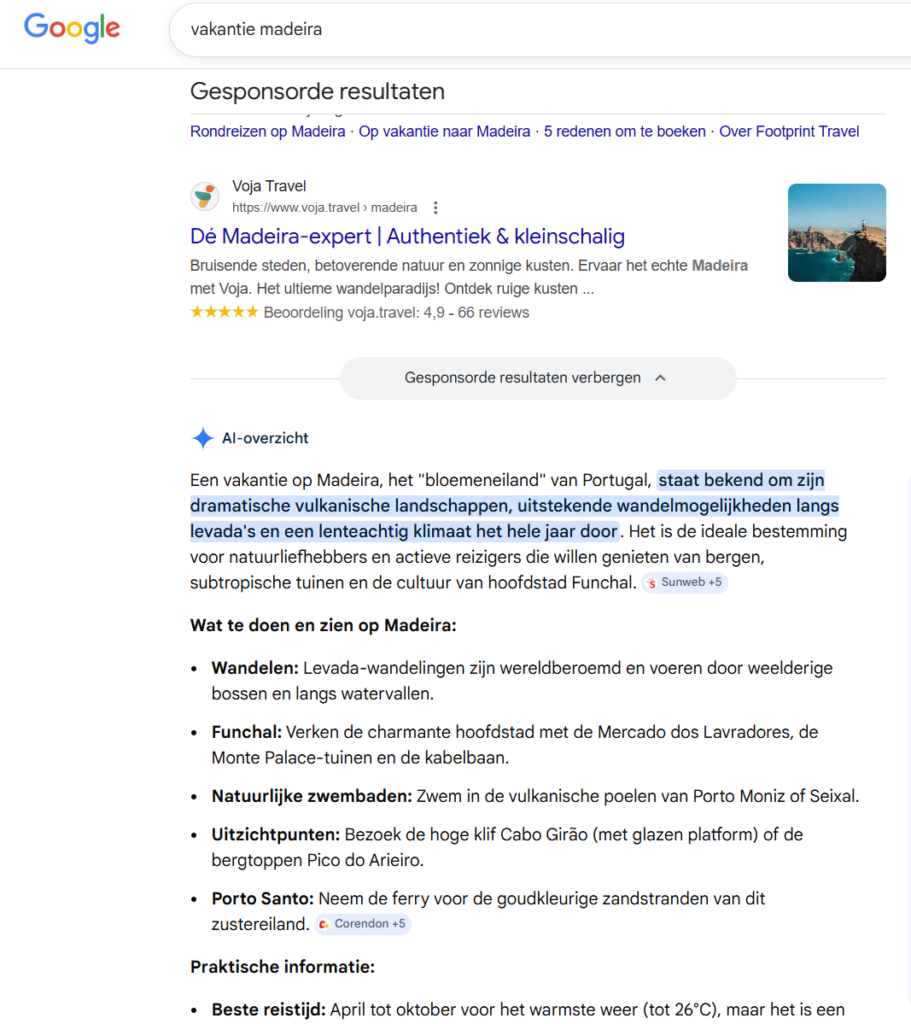
This shift has led to a crisis of trust. Experienced travelers no longer believe that Google’s top results are the best options; they’re just the highest bidders. As a result, many are turning to alternative search engines, niche blogs, and direct website visits to find the information they need.
The rise of authentic travel content
The backlash against AI and Google’s ad-heavy results has sparked a renaissance of authentic travel content. Many travelers are actively seeking out blogs, forums, and social media accounts run by real people who share genuine experiences. They want honest reviews, personal anecdotes, and practical tips – not algorithm-driven fluff.
The data doesn’t lie
Personal travel advice among the fastest growing jobs
In 2026, personal travel advisor roles are among the top five fastest-growing jobs in the U.S., according to LinkedIn’s “Jobs on the Rise” report. This surge reflects a broader trend: travelers are actively seeking human expertise in an era dominated by impersonal algorithms and generic AI recommendations.
But the shift isn’t limited to the U.S. In Europe and the Netherlands, independent travel advisors and small agencies are experiencing unprecedented demand. Dutch travel professionals report a year of significant growth, with clients prioritizing “once-in-a-lifetime” experiences and loyalty to trusted advisors over faceless digital platforms and AI.
Significant increase in interest for authentic travel tips
At Wereldreizigers.nl, a travel blog that solely focuses on authentic travel content, we’ve also seen a significant increase in direct traffic over the past year. This means travelers are bypassing Google and AI entirely, choosing instead to visit our site directly. It’s a clear sign that authenticity matters more than ever.
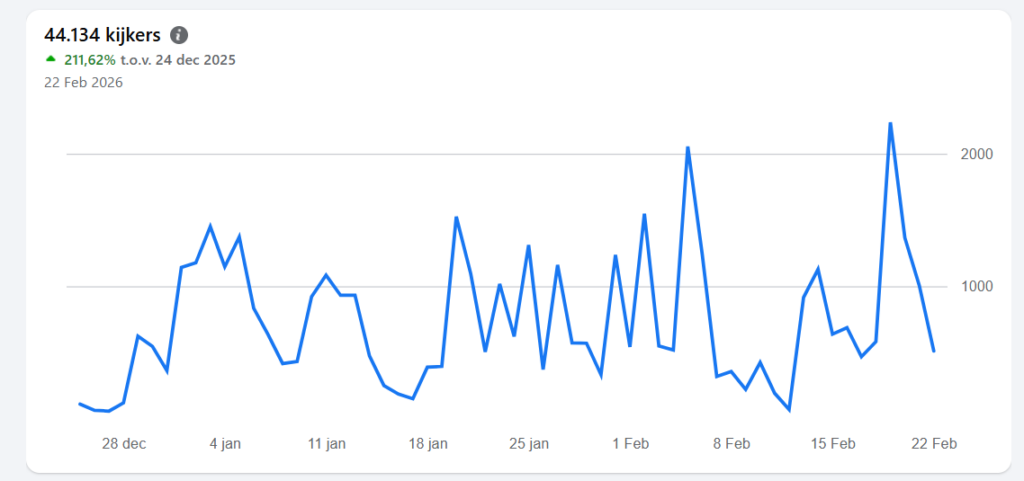
On top of that: in several travel related Facebook groups that we manage, like this one, we see a similar increase in activity. More new member-requests, more likes, more posts and more replies, especially in the past 6 months.
A recent Poll in five Facebook travel groups that we manage backed this theory – more than 80% of the voters said they were actively seeking authentic travel tips from real humans instead of AI and/or Google.
New platforms are emerging
In response to the demand for real content, new platforms and search engines that solely show authentic travel blogs are popping up. These platforms focus on human-written articles, real photos, and genuine travel stories. They’re designed to cut through the noise and deliver trustworthy, valuable information – something AI and Google are increasingly failing to provide.
Yurnee.com is a great example of this trend. Yurnee is a new travel search engine that solely focuses and indexes authentic travel blogs. You will not find any ads or AI overviews here, just authentic travel blogs written and photographed by people whom actually went there.